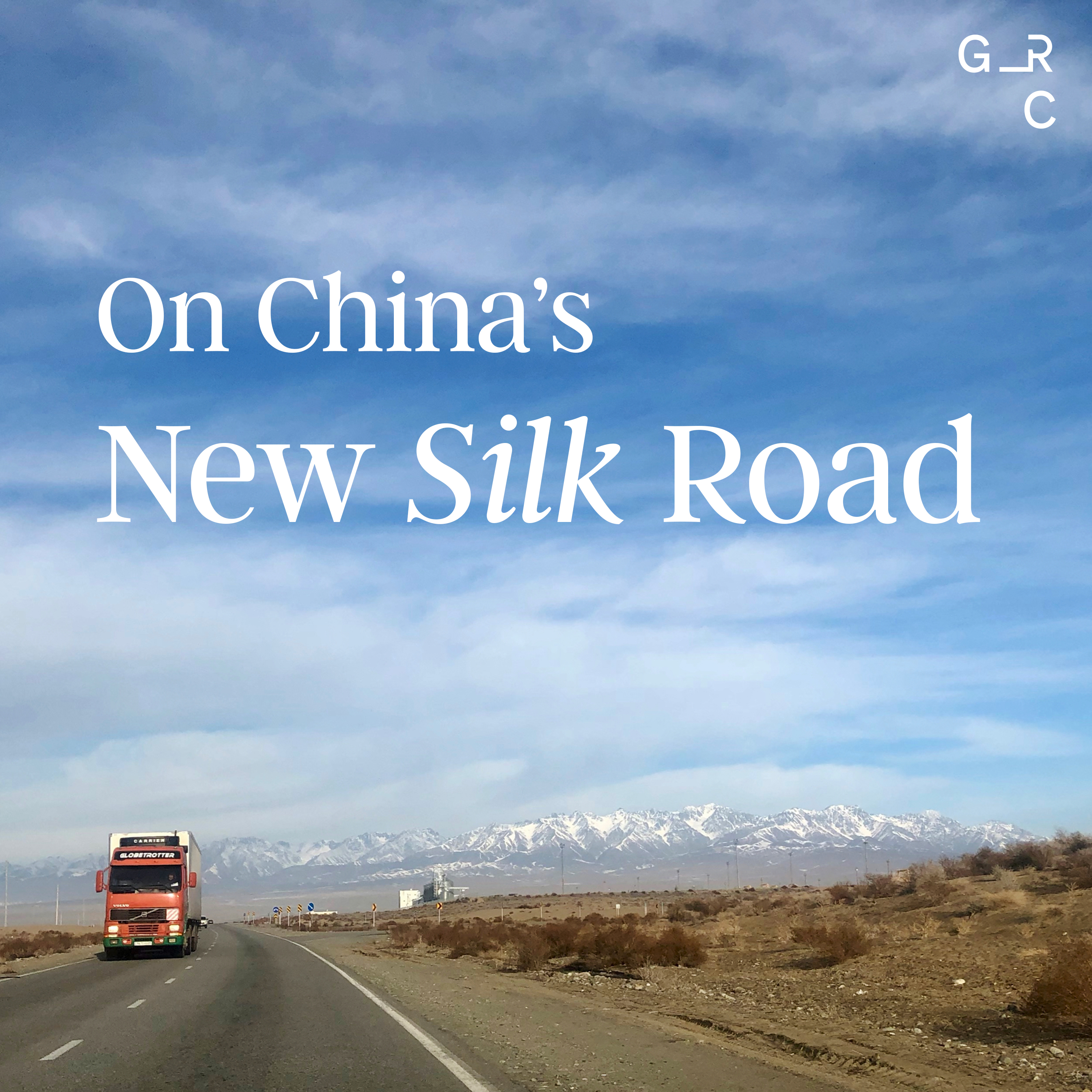
China’s Belt and Road Initiative represents a massive geopolitical gamble to reshape global trade and power through a vast network of infrastructure, including railways, ports, and 5G systems. This "New Silk Road" aims to control global value chains and trade flows, potentially granting China significant influence over the wealth of participating nations without the need for military force. While some proponents view the initiative as a "win-win" opportunity for resource-sharing and development, skeptics warn of lopsided benefits that favor Chinese state-owned enterprises while exporting models of surveillance and censorship. The project faces mounting challenges from a global pandemic, trade wars, and deep-seated cultural clashes, particularly in regions like Latin America where China is geographically and culturally distant. Host Mary Kay Magistad collaborates with local journalists across multiple continents to examine how this shifting architecture of power impacts local populations and whether Chinese influence will become an inescapable global reality within the next decade.
Sign in to continue reading, translating and more.
Continue